Estonia is preparing a test site at Kiltsi where drone makers could check how their aircraft and detection equipment perform when radio signals are disrupted.
The proposed site is one part of the government’s newly launched roadmap for unmanned vehicles through 2030. Approved in June, the plan aims to make Estonia a better place to develop, test and use drones and other unmanned systems. It brings together changes to testing rules, new public-sector projects and funding for companies building defence technology, according to the government’s announcement.
A place to test drones when signals fail
At Kiltsi airfield, the government wants to establish a controlled environment for testing drones, drone detectors and counter-drone equipment under electromagnetic interference. Such tests can show whether a system still works when the radio signals it relies on are disturbed. The Government Office has selected a partially functional pilot centre for support through its public-sector innovation fund. Kiltsi would add interference testing to Estonia’s existing and planned drone flight-test sites. The centre is not yet open for use.
Officials are also working on faster and more predictable approvals for flights in the EU’s “specific” category, which covers drone operations outside the lower-risk “open” category. Kristen Michal, Estonia’s prime minister, said the goal is to let unmanned vehicles move “from development to testing and real-world use faster than in competing markets.”
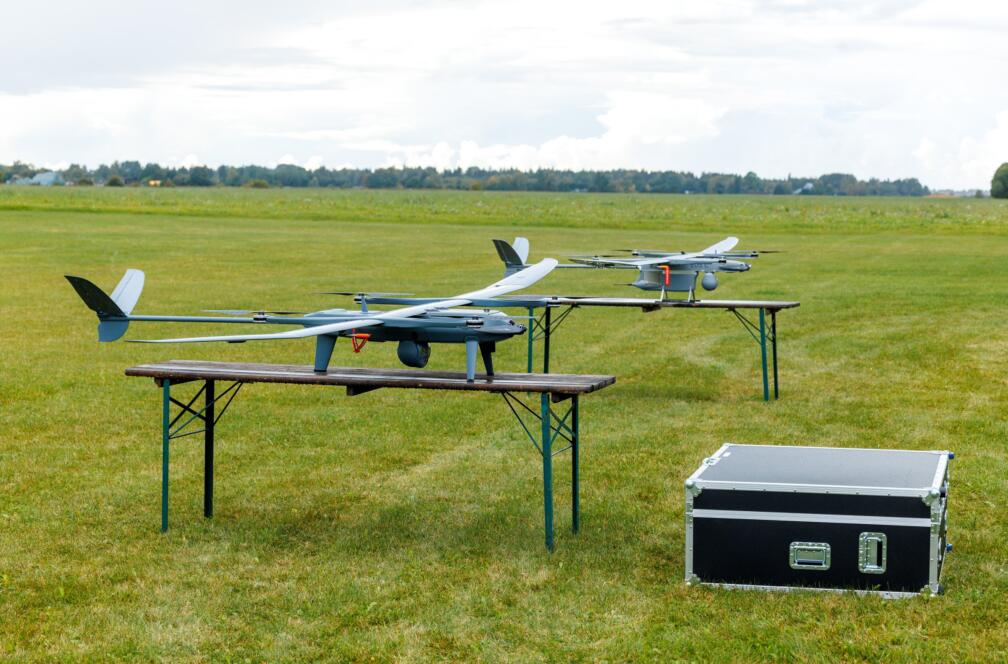
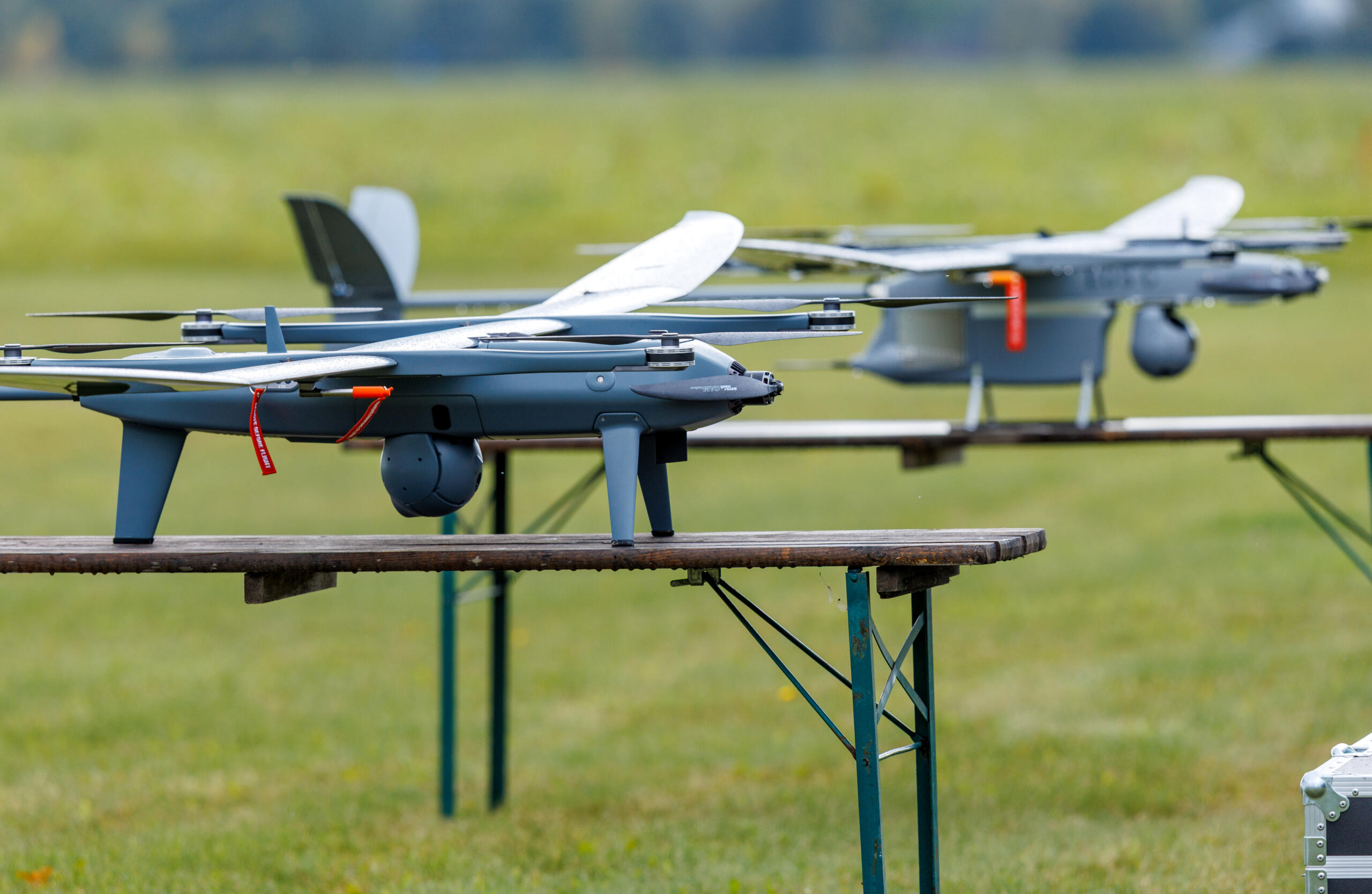
Threod drones. Photo: Raul Mee.
Finding and responding to drones
The roadmap also addresses the other side of drone use: detecting aircraft near sensitive sites and responding to threats. Estonia is developing a nationwide surveillance and counter-drone system that would combine information held by authorities and infrastructure operators. Legislation that took effect in July clarified which authorities may detect and counter drones in peacetime; further changes are being prepared to make counter-drone testing easier.
Local companies already make relevant equipment. For example, Rantelon has developed a portable drone jammer, a device designed to disrupt a drone’s radio link.
Funding to turn prototypes into products
Companies developing such technology can also apply to Enterprise Estonia’s defence-industry product-development programme. Its total budget is €23.8M, with grants of up to €3M for individual projects. Drone systems, unmanned vehicles and electronic-warfare solutions are among the eligible areas. Applicants must be registered in Estonia and complete preliminary advice before submitting an application.
Estonian drone manufacturer Threod Systems stressed that the support and clean regulatory environment can boost the industry. “Clear and predictable rules would help companies develop and test new solutions more quickly,” said Aimar Aviste, the company’s testing specialist, in the government’s announcement.
Are you interested in trading with Estonia? Enterprise Estonia is providing sourcing services for foreign enterprises. Contact Estonian export advisors or use our free e-consulting service to start trade with Estonia.