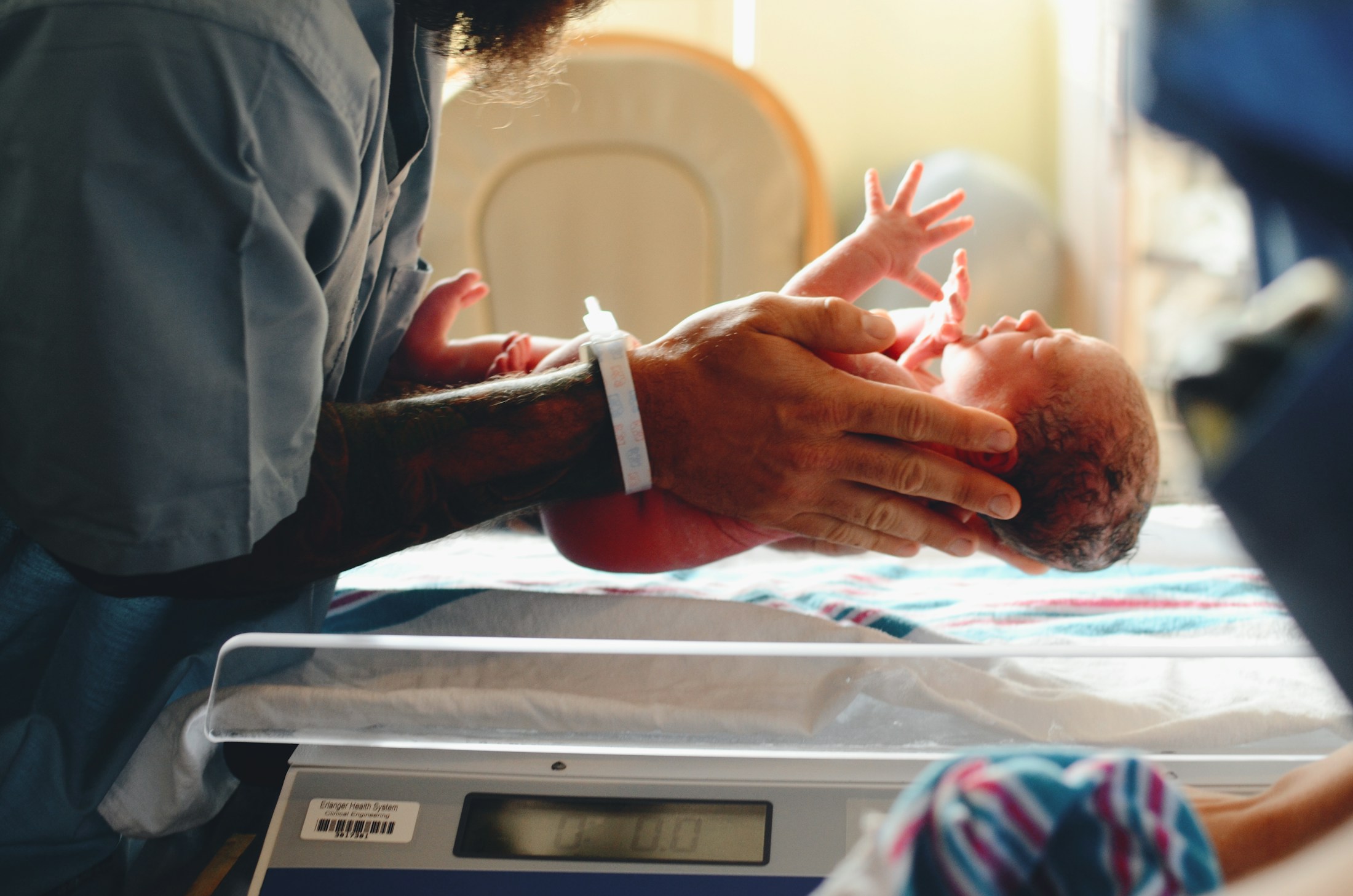
Kenyan parents can now start birth registration at participating hospitals instead of carrying paper forms between offices, through a service built by Kenyan officials and Estonian partners. It has recorded more than 270,000 newborns over two months.
Citizen TV reported on 19 September that the tally covered newborns entered through electronic birth notifications and assigned lifelong identifiers. The service was developed with Civil Registration Services (CRS), Estonian companies, and the Estonian Centre for International Development (ESTDEV), which later reported the results.
Birth notification begins in the hospital
At Tenwek Hospital in Bomet County, new father Cosmas Langat used the service for his child. “I filled the form within some 5 minutes,” he told Citizen TV. He received a birth notification and said he could proceed to process a birth certificate that same day. Previously, hospitals used paper forms, with copies physically sent to registration offices. Missing forms and errors in manual entry could lead to additional trips and delays for parents, according to ESTDEV.
A civil registration officer at Tenwek described entering the mother’s details into a portal. Hospital birth information then goes to CRS, where the child’s record is processed and a unique personal identifier is assigned. Citizen TV reported a one- to three-day processing window for certificates in which the system had been introduced.
Designing the registration service around existing systems
Kenya’s CRS led the civil registration work. Estonian service-design company Trinidad Wiseman interviewed Kenyan service providers and users, including hospital representatives, before designing the initial service. Its team also produced a handbook for designing public services that Kenyan agencies can use beyond this project.
Estonian digital services company ADM Interactive then built the service with CRS. Rather than replacing Kenya’s existing civil registry infrastructure, the partners connected the new hospital process to it. ESTDEV says the records are checked against Kenya’s Integrated Population Registration System. The birth service followed GovStack design principles while fitting Kenya’s existing system; its developers did not use GovStack software modules.
Parents can start the process at the hospital rather than carry paperwork between offices. ADM chief executive Riho Pihelpuu told ESTDEV that the joint development also involved transferring knowledge to the Kenyan team.
What a reliable birth record makes possible
For children, timely registration creates the legal record needed to obtain a birth certificate and, later, to establish eligibility for schooling, healthcare and other services. Kenya’s Civil Registration Services uses birth records to produce vital statistics for public planning. More complete and timely records could give planners a better basis for allocating healthcare and school services. Kenya’s immigration and citizen services department is working to connect civil registration with more hospital management systems so that additional facilities can send electronic notifications.
The transferable lesson is how the work was divided: Kenyan officials defined the civil registration process, designers observed how people used it, and developers adapted software to systems already in place. ESTDEV implemented the project under the Team Europe Initiative on human-centred digitalisation in Kenya, with funding from Germany and the European Union.
Are you interested in trading with Estonia? Enterprise Estonia is providing sourcing services for foreign enterprises. Contact Estonian export advisors or use our free e-consulting service to start trade with Estonia.