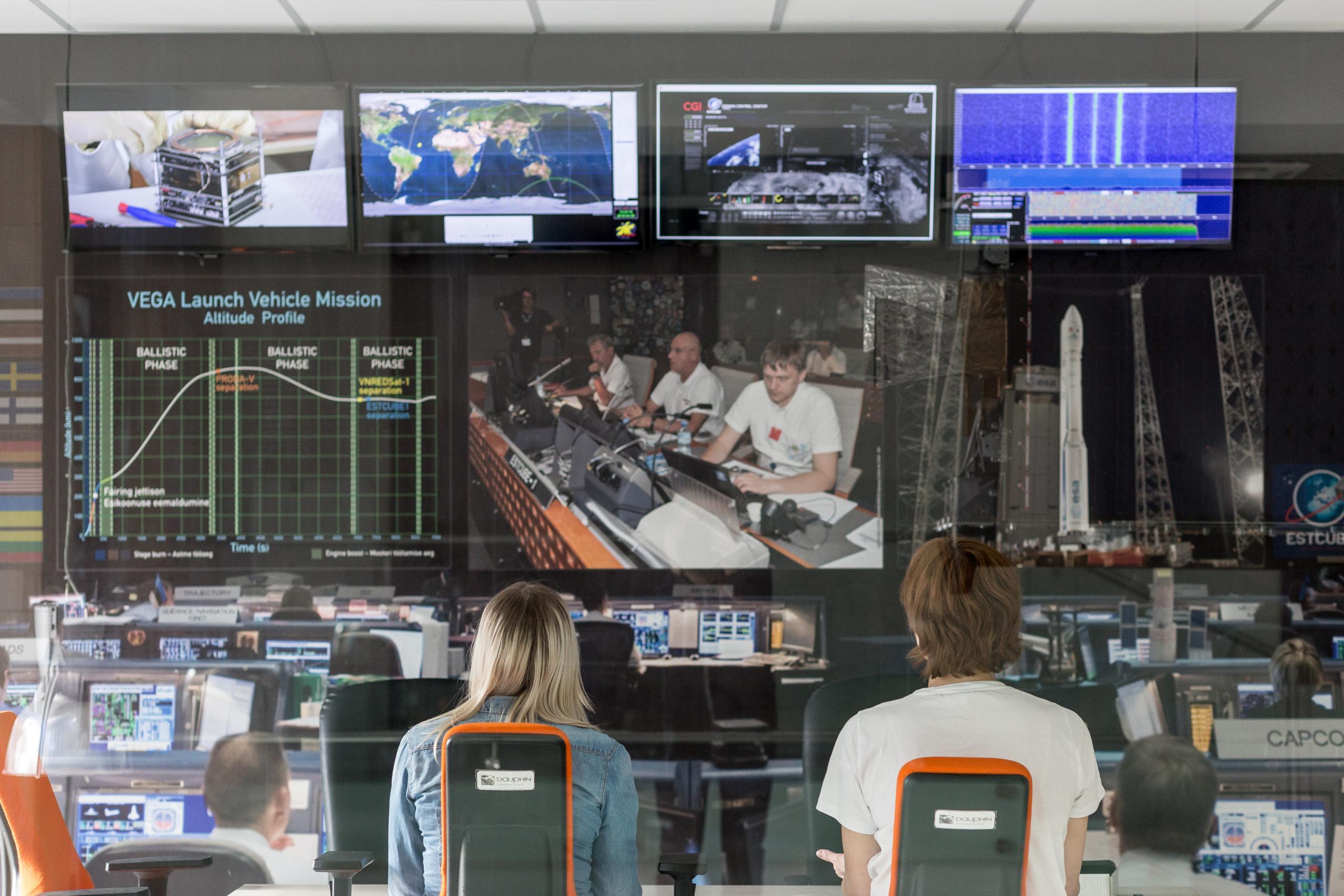
Estonia is extending its cyber-defence experience into space cybersecurity, treating satellite systems, ground stations and the software that connects them as a single security problem.
The approach is set out in a new interview by the International Security Journal. The publication spoke to Elise Guerra Monasterio, program coordinator at Enterprise Estonia and vice-chair of the International Relations Committee at the European Space Agency.
She said Estonia does not aim to compete with larger countries in traditional aerospace manufacturing. It concentrates instead on cybersecurity, digital technologies and secure systems, where its existing strengths can be carried into the sector.
Testing space cybersecurity before launch
The centrepiece is the Space Cyber Range, developed with the European Space Agency by CybExer, CR14, Spaceit, CGI Estonia and the University of Tartu. It creates a simulated environment in which satellite systems, operational procedures and responses to cyber-incidents can be tested under realistic conditions. Estonia made space cybersecurity a national priority in 2019, when most of Europe still treated the subject as a narrow technical concern.
The work builds on Estonia’s record in cyber-defence exercises. CR14 has developed and run complex drills including NATO’s Locked Shields, where teams defend simulated networks and critical infrastructure against sustained attacks. In September, CybExer was selected to lead satellite cybersecurity testing for ESA, work that follows the same logic of examining vulnerabilities before a mission is flying.
Threats from ground stations to manipulated data
The cyber-attack on Viasat’s satellite communications network at the start of Russia’s full-scale invasion of Ukraine in 2022 marked a turning point. It showed how an attack on space-related infrastructure can disrupt communications far beyond the immediate conflict zone.
The threats now include interference with satellite communications, attacks on ground stations, unauthorised access to satellite control systems and manipulation of satellite data, which can feed misleading information to organisations relying on imagery for surveillance or operational decisions.
Legacy technology adds a further risk. Some satellite systems were designed before modern cybersecurity requirements became a priority, and equipment in orbit cannot easily be repaired or replaced. Estonia’s response is preventive: simulation, testing, training and secure software development, so that weaknesses are found and incidents rehearsed before a mission depends on them.
A small ecosystem with short decision paths
Guerra Monasterio points to Estonia’s size as an advantage, because companies, researchers and public institutions can be brought together quickly.
Spaceit works on satellite operations, communications, cybersecurity and spectrum intelligence, while Cybernetica contributes secure digital technologies. The Space Cyber Range is being built as an environment where international partners can also test their own satellite technologies, identify vulnerabilities and practise their response.
Education forms part of the same effort. Estonia is developing pathways that introduce young people to space technology and is, according to Guerra Monasterio, the only country in Europe offering dedicated space cybersecurity courses at master’s level. Software-defined systems, which allow capabilities to be updated during a mission rather than fixed at launch, are another area where Estonian companies see room to contribute to European defence.
Read the full International Security Journal interview.
Are you interested in trading with Estonia? Enterprise Estonia is providing sourcing services for foreign enterprises. Contact Estonian export advisors or use our free e-consulting service to start trade with Estonia.