Estonian counter-drone company DefSecIntel is building a layered defence against inexpensive drones, joining sensors, software and interceptors while keeping an operator in charge of the final decision.
At a Tallinn meeting with Korean newspaper Asia Times, DefSecIntel showed how its EIRSHIELD system detects a target, identifies it and selects a response. Radar and optical or infrared cameras can work alongside radio-frequency sensors; jammers and interceptor drones provide different ways to stop a threat. The company’s describes EIRSHIELD as a mobile, layered short-range air-defence system.
There is a cost challenge behind that design. Small attack drones can be produced cheaply, while conventional air-defence missiles are expensive. DefSecIntel wants the response to fit the target rather than use the same weapon for every aircraft. Some drones can be disrupted electronically; others need physical interception.
DefSecIntel brings Ukrainian feedback to the workshop
DefSecIntel began with border-surveillance equipment before moving further into defence work after Russia’s full-scale invasion of Ukraine. It now has research, production and maintenance operations in Kyiv.
In remarks from Asia Times’s Korean interview, strategic partnerships manager Kert Raas described the speed of feedback: “Soldiers operating at the front on Monday come to our facility in Kyiv by Wednesday.” The company’s engineers can examine a problem reported by users and work it into the next product change.
The operator makes the final call
EIRSHIELD can launch an interceptor after ground radar detects an aircraft. It approaches using radar data and checks the target with its own camera. An operator then reviews the image and authorises engagement. “The human is always in control,” Getter Oper, DefSecIntel’s strategy and communications director, said in the same interview, also translated from Korean.
The company also keeps interceptor drones in a sealed launch box with battery-temperature controls, so they can remain ready in cold weather. Its systems can be moved to a border or infrastructure site and paired with the sensors and countermeasures needed there.
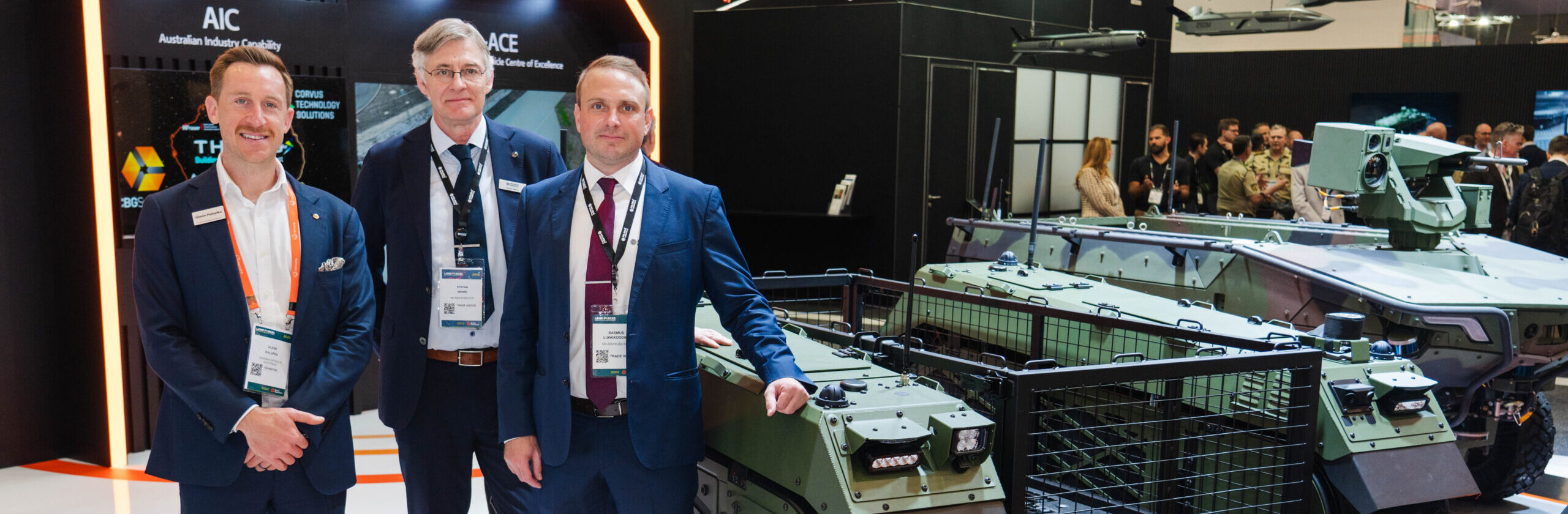
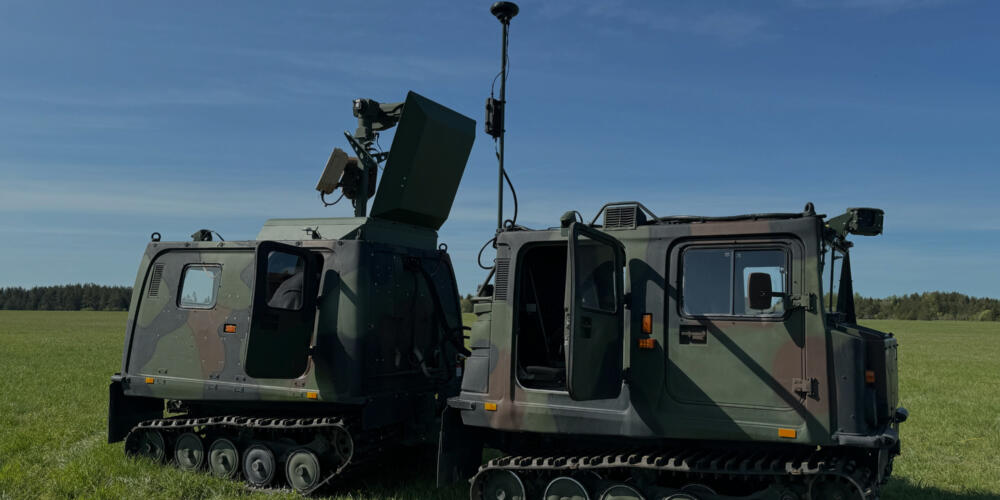
DefSecIntel has integrated its sensors and counter-drone equipment with an overseas vehicle partner, a practical example of that modular approach.
Read the full Asia Times article in Korean.
Are you interested in trading with Estonia? Enterprise Estonia is providing sourcing services for foreign enterprises. Contact Estonian export advisors or use our free e-consulting service to start trade with Estonia.