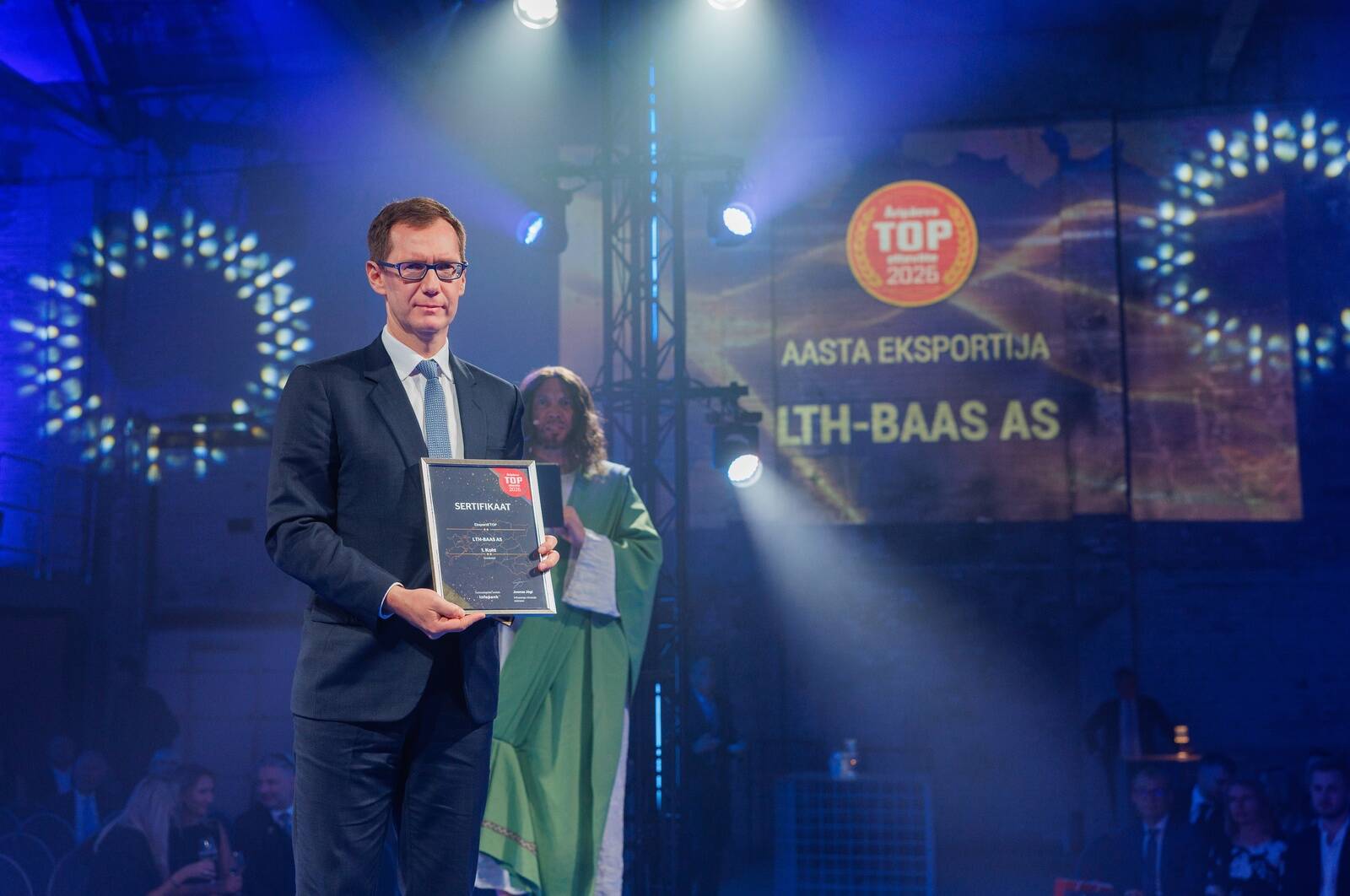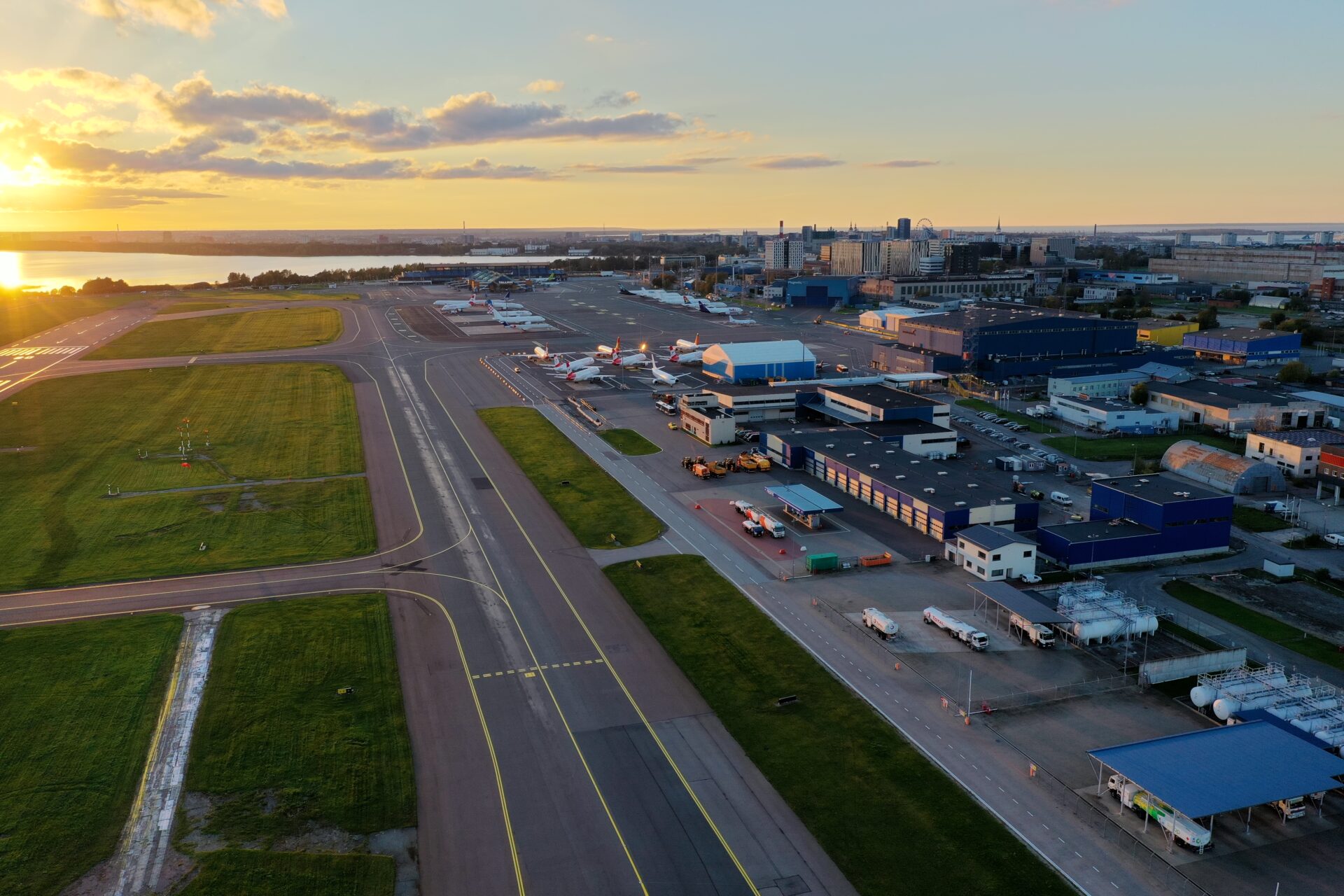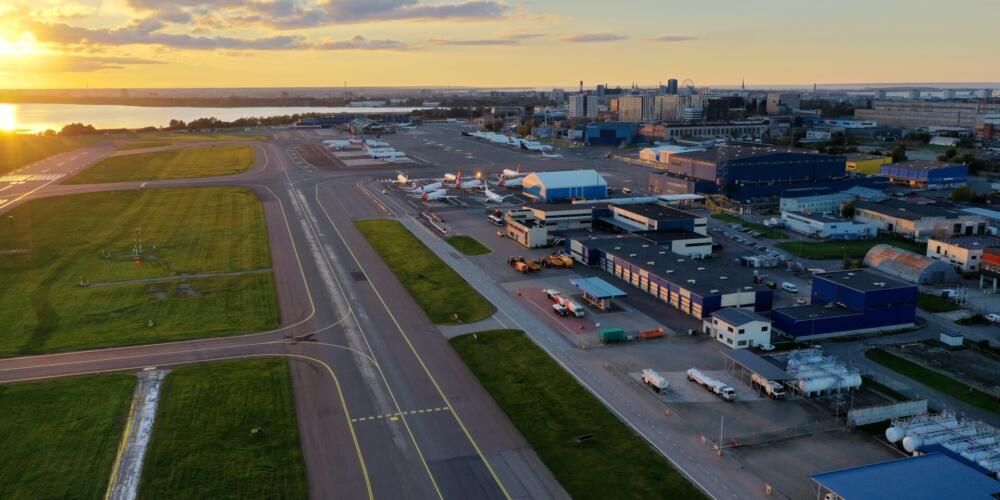
Estonian airport operator Tallinn Airport has cut carbon emissions from its own operations by more than 96% compared with 2018 and was named Sustainable Company of the Year at the 2026 Äripäev TOP Gala.
The company, which runs Estonia’s largest international airport, became carbon neutral in 2025, Äripäev reported. Board member Anneli Viita-Turkin said the result came from years of consistent work, targeted investment and a principle that environmental impact is weighed in every major decision.
District heating takes heating emissions to zero
The airport moved from gas to district heating at the end of 2022, which removed direct emissions from heating its buildings. Its solar parks generated 3.84 gigawatt-hours of electricity in 2025, covering about 40% of consumption. Purchased power is covered by guarantees of origin for renewable energy, taking the market-based carbon emissions of bought electricity to zero against 2018.
Electric vehicles have replaced part of the fleet and fossil diesel has been swapped for HVO-100 fuel, cutting machine-park emissions by nearly 97%. Seven stationary electric power units and nine battery-powered mobile units now supply aircraft on the apron, reducing the use of aircraft auxiliary power units.
Cutting carbon emissions beyond the airport fence
Construction follows the same logic. The new cargo terminals hold LEED Gold certification and the aircraft maintenance hangar complex LEED Silver. A geogrid solution at the southern access gate avoided excavating and hauling away about 30,000 cubic metres of soil. Since 2025, ground-handling companies operating at the airport must meet requirements on their equipment, emissions data and reduction plans.
“For us, sustainable management means above all that environmental impact is considered at the moment a decision is made, rather than only assessing the consequences afterwards,” Viita-Turkin said.
The next target sits in the value chain
The harder task lies outside the airport’s own operations. In 2025, indirect emissions from flight operations, partners, construction and purchased goods and services were about 59 times larger than those from the airport itself. “That is our next real challenge, because the airport cannot reduce these emissions alone. We need close cooperation with airlines, ground-handling companies and other partners,” she said.
Tallinn Airport is working towards Level 4 of the Airport Carbon Accreditation scheme in 2026, which puts more weight on cooperation with partners. Investment continues in renewable energy, energy storage and the electrification of airfield equipment, and the first 4 MWh battery system is due to enter use this year. The company is also expanding its passenger terminal to double capacity.
Are you interested in trading with Estonia? Enterprise Estonia is providing sourcing services for foreign enterprises. Contact Estonian export advisors or use our free e-consulting service to start trade with Estonia.