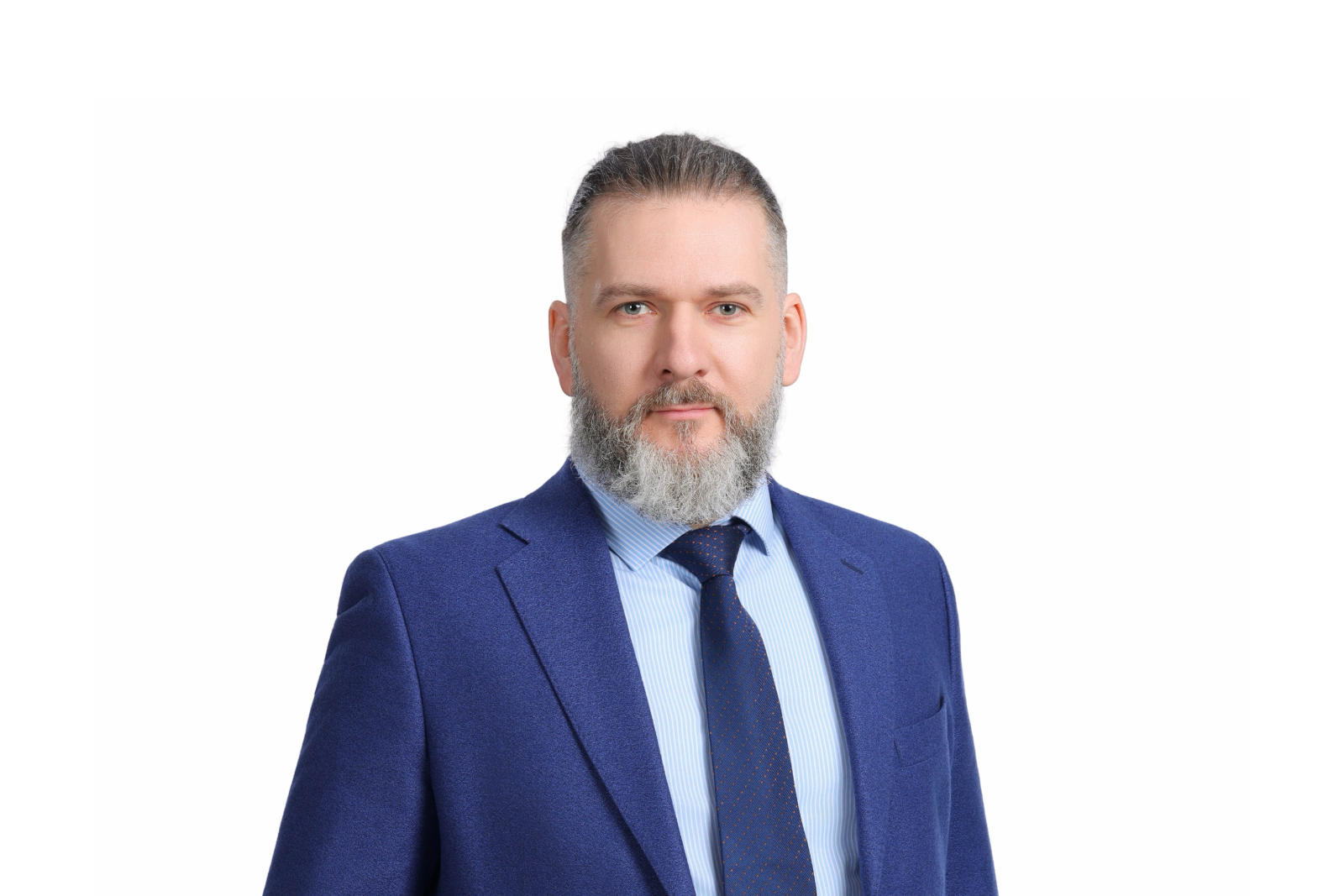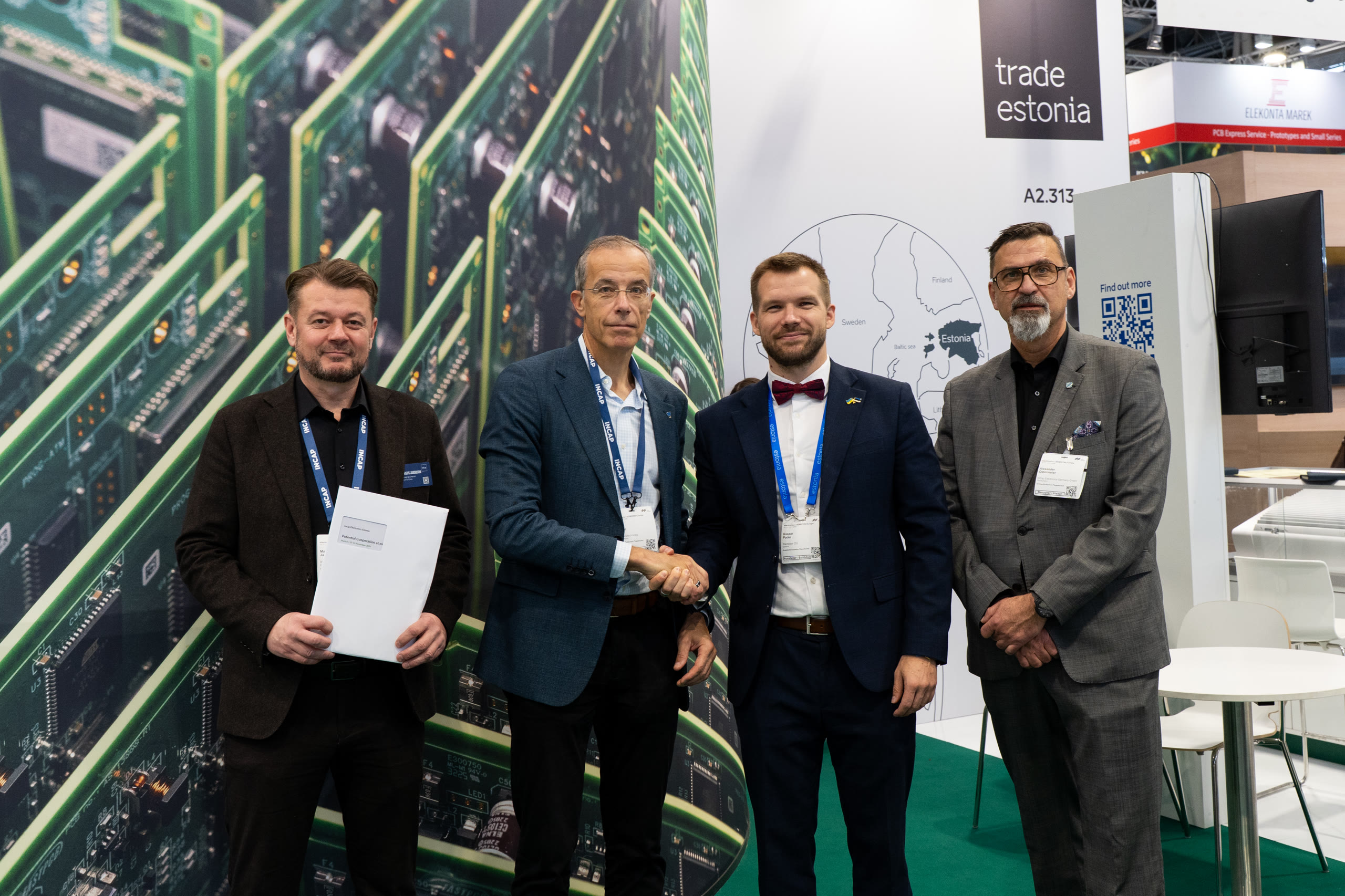
Andrius Luinys, Global Sales Director at Aurightec, has contributed this guide to Trade with Estonia on what Nordic OEMs should check when choosing an electronics manufacturing partner in Estonia.
Why proximity is an engineering advantage, not just a freight saving
Tallinn is a 30–90 minute direct flight from any Nordic capital, and that single fact changes how a manufacturing relationship works. A customer’s quality or design engineer can leave home in the morning, spend a full working day on the shop floor, and be back the same evening.
First article inspections, process audits, new product introduction reviews and problem-solving sessions happen face to face rather than over video calls. Goods reach Nordic customers in a few business days rather than weeks on the ocean. Distance to a manufacturing partner is not only a freight cost — it is also an engineering cost, and the second is usually larger.
When do the Baltics beat Asia — and when do they not?
The answer depends on the sourcing strategy, the sales region and the location of final assembly. An OEM selling into Asia will usually manufacture there rather than ship from Europe, and for products exported to the United States, tariffs reshape the equation again.
The Baltic case is specific: it is strongest for European or global OEMs with a European presence that want a local supply chain — short lead times, European origin, accessible engineering support, and a shared business culture with English as the working language at all levels. For mature, high-volume products sold in Asian markets, Asia usually remains the right answer.
What should you verify before choosing a manufacturing partner?
Certifications — per site, not per group logo
Check that the certificate covers your industry and the specific site where your product will be built, because certificates are issued per legal entity and per location. ISO 9001 is a baseline; the relevant ones are IATF 16949 for automotive, ISO 13485 for medical and ISO 22163/IRIS for rail. Since NIS2 entered into force, information security has become part of supplier assessment as well.
Capabilities — against your product, not the brochure
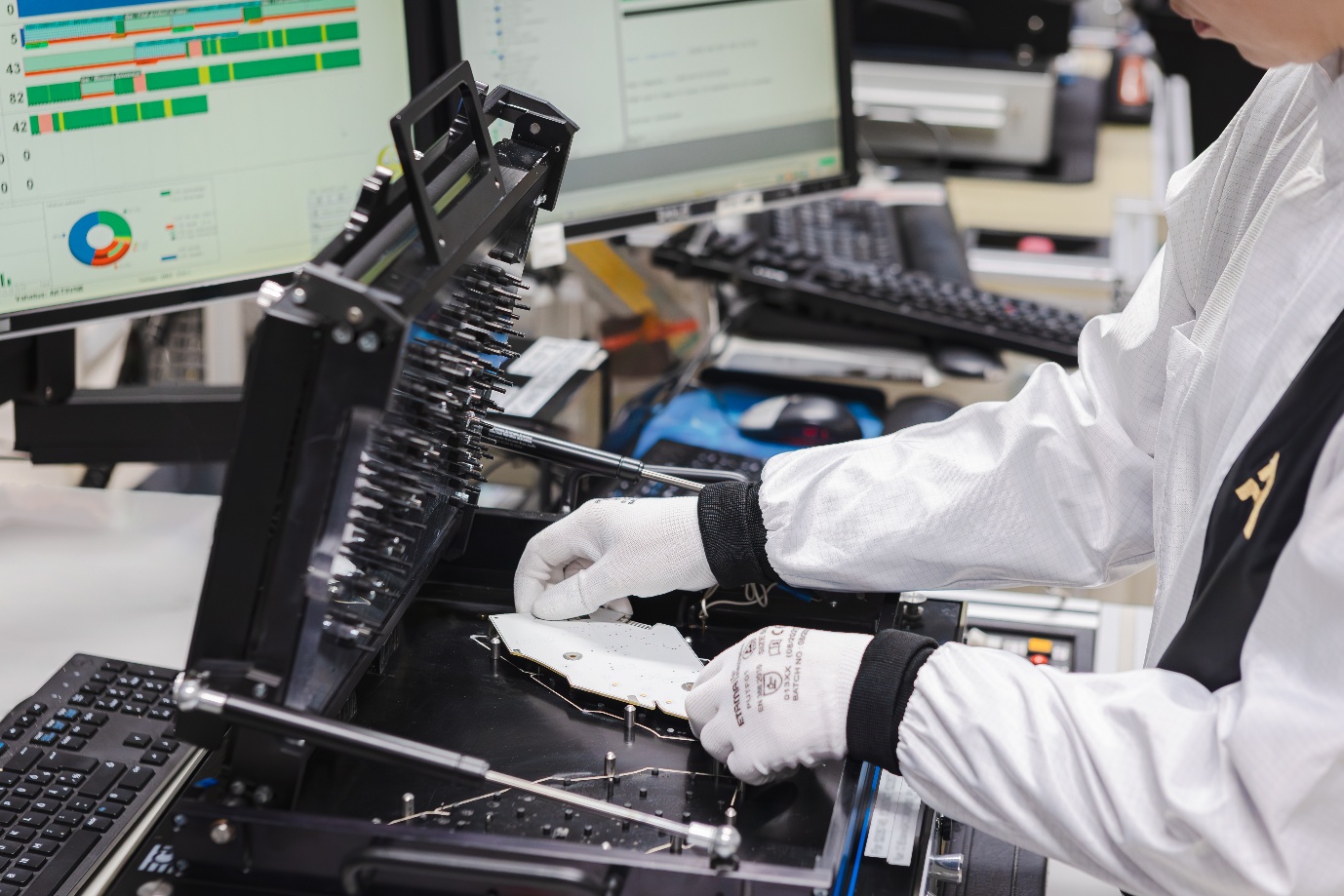
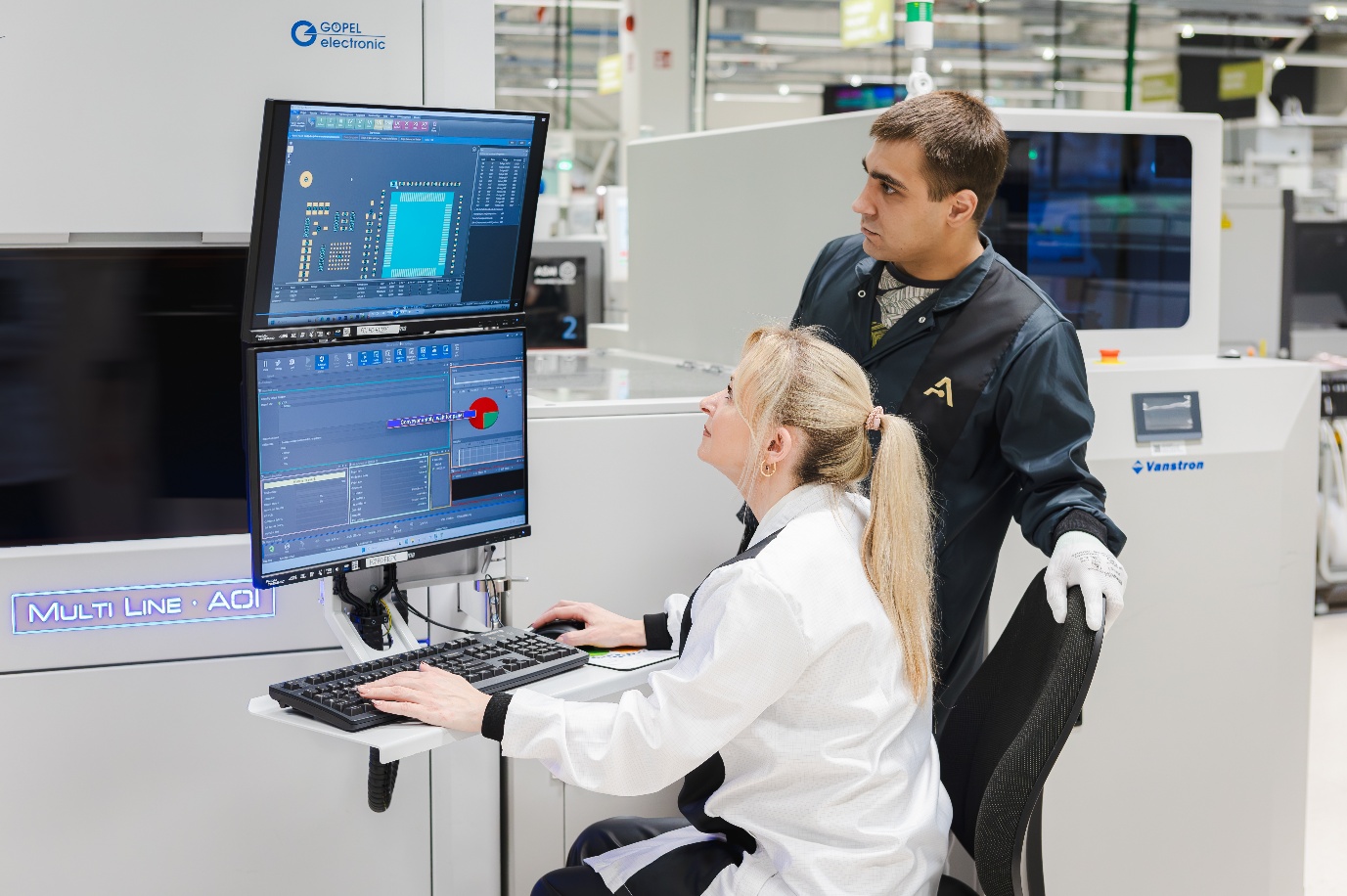
The number of SMT lines says little. What decides a project is test development capability, inline AOI and X-ray, soldering under nitrogen, conformal coating, IPC-A-610 Class 2 or 3 workmanship, box build and system integration, and genuine in-house NPI and DfX engineering. Ask equally about the end of the product lifecycle — obsolescence management, last-time buys, repair and reverse logistics — for products that live 10–15 years.
Financials — your supplier’s balance sheet is your supply risk
2025 was a difficult year for the European EMS industry: the market declined roughly 5%, and around three out of four European EMS companies reported lower revenue. Of approximately 2,300 EMS companies in Europe, about 1,900 have annual turnover below €10 million. Look at net profit rather than only EBITDA, at gearing and at net working capital — in electronics the partner finances your components long before you pay for the product.
References — ask what happened when something went wrong
Everyone confirms on-time delivery. Ask instead how an escalation was handled and how long the 8D report on a quality claim took. Check your spend-share ratio as well: at 0.5% of a site’s revenue, you may struggle to get attention; at 40%, you may be carrying too much of the supplier’s risk yourself.
What does working with an Estonian site feel like?
Two things tend to surprise new customers. The first is access: sites are close to the airport and visits are easy to arrange, which changes the rhythm of cooperation. The second is the working culture — operators hold IPC certifications, teams run their own improvement projects, and the organization is flat enough that customers can speak directly with process or test engineers rather than only through an account manager.
Estonian communication style is direct. Commitments are made only when they can be kept, which some customers initially interpret as a lack of enthusiasm but later recognize as reliability.
What the Estonian electronics sector is good at
Europe accounts for roughly 2.5% of the global electronics manufacturing market, so the competitive ground is not volume. It is reliability, lifecycle length, regulated industries and engineering proximity — industrial electronics, energy and grid infrastructure, rail and transportation, medical and critical communication. These are precisely the products where a customer needs engineering next to production and where a twelve-week ocean lead time is a business risk rather than a cost item.
The constraint on growth is people rather than capacity. The European electronics sector needs to fill roughly 270,000 positions by 2030, and in Estonia the annual shortfall is around 1,400 specialists and 700 skilled workers. Manufacturers here compete on training and retention as much as on equipment, which is one reason IPC certification and in-house competence development are taken seriously.
A practical first step
One day on a shop floor tells more than any questionnaire. Look at the work in progress, the size of the rework area, the training matrix, and how a line changeover is performed. Trained, motivated and stable personnel are the best predictor of quality — and the one thing that cannot be prepared for an audit day.
In short
- Tallinn is a 30–90 minute flight from any Nordic capital, making engineering collaboration — audits, first article inspections and NPI reviews — a same-day activity rather than a video call.
- Estonia is strongest for European or global OEMs wanting a European supply chain; for high-volume products sold in Asia, Asia usually remains the right answer.
- Before choosing a partner, verify four things in order: certifications per site, capabilities against your product, financial stability, and references about what happened when something went wrong.
Aurightec manufactures in Tallinn, Estonia, alongside sites in China and Malaysia, offering electronics manufacturing services from development to after-sales support. More about the Estonian site.
Are you interested in trading with Estonia? Enterprise Estonia is providing sourcing services for foreign enterprises. Contact Estonian export advisors or use our free e-consulting service to start trade with Estonia.